
Fresh and dried fruits are essential components of a healthy diet, enjoyed by consumers worldwide for their taste, nutrition, and versatility. However, the journey from farm to market is a complex process that involves careful cultivation, harvesting, processing, and global logistics. This article explores how fresh and dried fruits travel from orchards and farms to consumers across the world.
Cultivation: Where Quality Begins
The journey begins with dedicated farmers who cultivate fruit-bearing trees, vines, and shrubs in optimal climates. Sustainable farming practices, including responsible irrigation, organic fertilization, and pest management, play a crucial role in producing high-quality fruits.
For fresh fruits, farmers focus on growing varieties that meet market preferences for taste, texture, and shelf life. For dried fruits, certain cultivars are selected for their ability to retain flavor, sweetness, and nutritional value after dehydration.
Harvesting: Timing is Everything
Harvesting at the right time is critical to maintaining the fruit’s quality. Fresh fruits are carefully handpicked or mechanically harvested at peak ripeness to ensure they maintain their natural flavor and nutrients.
For dried fruits, such as raisins and dates, some fruits are sun-dried on the tree or vine, while others, like apricots and mangoes, are harvested and then dried using specialized drying techniques to preserve taste and nutrients.

Processing & Preservation
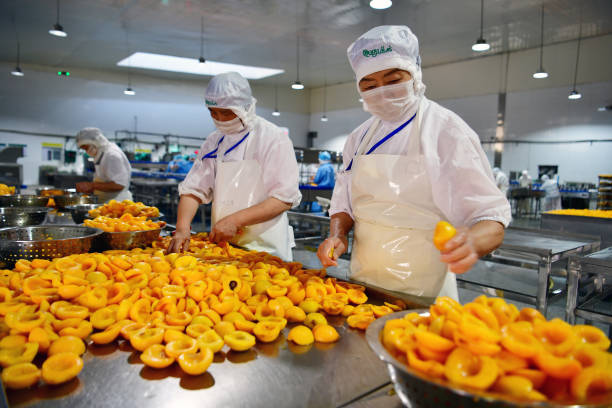
Once harvested, fresh fruits undergo sorting, washing, and packaging before being transported to distribution centers. To maintain freshness, temperature-controlled storage and cold-chain logistics are used. Some fruits, such as apples and pears, are stored under modified atmospheric conditions to extend their shelf life.
Dried fruits go through a careful dehydration process to remove moisture while retaining their natural sweetness and nutritional benefits. Depending on the type, they may be sun-dried, air-dried, or processed using specialized dehydration methods. Proper packaging ensures dried fruits remain free from contaminants and maintain their texture and flavor for extended periods.
Global Logistics & Distribution
Efficient logistics play a crucial role in ensuring fruits reach markets worldwide in optimal condition. Fresh fruits require a cold-chain supply system, including refrigerated storage and temperature-controlled transportation by air, sea, or land.
Dried fruits, due to their longer shelf life and reduced moisture content, are easier to transport and store. They are packaged in bulk for wholesalers or in retail-ready packs for direct consumer sales.
Retail & Consumer Access
After arriving at distribution centers, fruits are supplied to supermarkets, wholesalers, food manufacturers, and restaurants. Fresh fruits are displayed in retail stores, while dried fruits are packaged for sale in snack aisles, baking sections, or health food stores.
Consumers enjoy fresh fruits for their juicy texture and immediate nutritional benefits, while dried fruits provide a convenient, long-lasting alternative rich in fiber and antioxidants.

Conclusion
The journey from farm to market is a fascinating process that ensures consumers worldwide have access to nutritious, high-quality fruits. Whether fresh or dried, fruits undergo rigorous quality control, efficient logistics, and sustainable sourcing practices to meet the growing demand for healthy and natural food products.


